Wayanad: Forest Landscapes, Plantations and Cultural Encounters
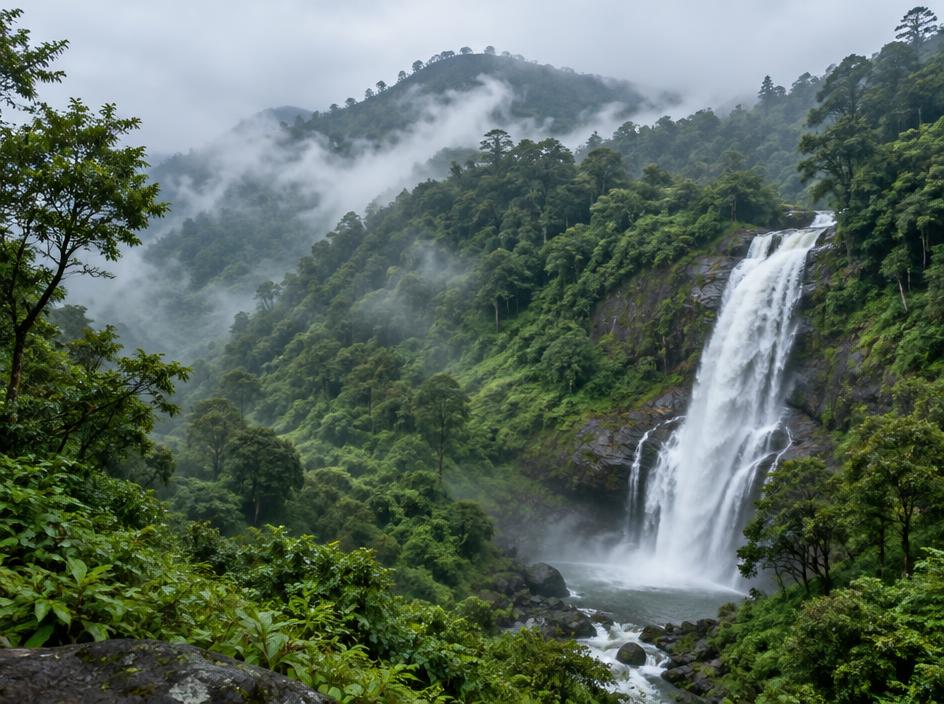
Explore Wayanad through plantations, heritage and nature while respecting communities and local conditions.
Published 7 November 2026. Visitor details can change; check official sources and local advisories before travel. Suggested itineraries are editorial recommendations, not confirmed bookable packages.
Wayanad is a large highland district rather than one compact resort town. Its appeal lies in the combination of plantations, lakes, hills, heritage and wildlife landscapes. A carefully chosen base and a modest daily plan help visitors appreciate the region without spending most of the holiday on the road.
Choose a base before choosing outings
Kalpetta, Sulthan Bathery and Mananthavady serve different parts of the district. Compare their positions with the places you hope to visit. A scenic property can be a good retreat, but its location may add substantial travel to a day’s programme. Check actual map routes and ask hosts about the condition of the final approach.
Explore nature and the human past
Edakkal’s rock engravings and the heritage museum at Ambalavayal can introduce the region’s history. Lakes, plantation experiences and permitted forest activities provide different ways to explore the landscape. Select attractions through official tourism sources, and check present opening status before travelling. Waterfalls and trekking routes should never be assumed open because an older article lists them.
Respect wildlife and communities
Wildlife sightings are uncertain. Follow forest staff instructions and do not feed, crowd or pursue animals. Wayanad also has diverse Adivasi communities with their own histories, rights and contemporary lives. Choose community-approved activities; avoid tours that present people as exhibits or promise uninvited access to settlements.
A suggested three-day stay
Use the first day to settle into one base and explore nearby. Dedicate the second to a heritage-and-plantation combination. Keep the third for a confirmed nature outing, with an indoor or low-travel alternative if weather changes. Leave additional time if your accommodation and selected sites lie in different parts of the district.
Plan with local conditions
Use current district and forest information for weather, road restrictions, protected-area access and activity availability. Do not enter restricted or disaster-affected areas for sightseeing. Avoid unfamiliar hill drives after dark where possible, keep adequate fuel and ask about mobile connectivity at remote stays. A respectful Wayanad visit supports local livelihoods while treating environmental limits and community decisions as essential parts of the journey.
Explore further
Suggested related topics: Hill Stations • Heritage • Local Communities
Official reference: DTPC Wayanad — Destinations
Wayanad
Nature & Wildlife
Explore Wayanad district