Kerala’s Heritage: Trade, Faith, Architecture and Living Traditions
Discover Kerala’s architecture, maritime connections, sacred spaces, performing arts and living craftsmanship.
Published 7 November 2026. Visitor details can change; check official sources and local advisories before travel. Suggested itineraries are editorial recommendations, not confirmed bookable packages.
Kerala’s heritage lives in streets, worship, performance, language, craft and family memory. Historic buildings provide a starting point, but they become more meaningful when connected with the people and ideas that shaped them. A thoughtful heritage journey gives attention to everyday life as well as major monuments.
Follow several historical threads
Fort Kochi and nearby Mattancherry introduce maritime trade and layered cultural influences. Thrissur and Kerala Kalamandalam open conversations about performing arts. Aranmula is associated with metal-mirror craftsmanship and river-linked traditions. Wayanad’s Edakkal rock engravings bring a much earlier human past into view. These places belong to different regions, so build a route around a chosen theme rather than attempting them all in one short trip.
Read buildings carefully
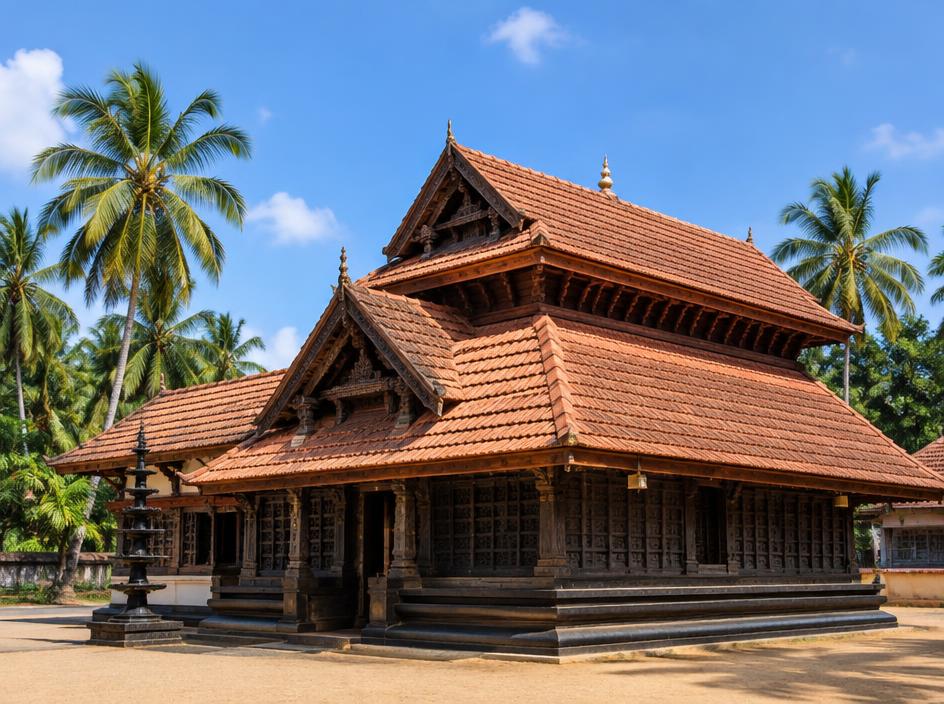
Look at courtyards, sloping roofs, timber details and the way buildings respond to rain and heat. A guide can distinguish surviving historic fabric from later restoration. Museums and interpretation centres can add context that an attractive exterior alone cannot supply. Avoid describing every old-looking building as ancient or assigning an exact age without reliable evidence.
Understand living faith and performance
Temples, churches, mosques and other religious spaces remain places of devotion. Entry, dress, photography and visitor rules vary by institution. Ask before entering or recording. At performances, a short explanation of story, music, costume or gesture can greatly improve appreciation. Ritual events should be approached with the understanding that tourism is secondary to their community purpose.
Support the people who carry tradition
Buy directly from craftspeople or reliable outlets, ask how an object is made and check whether a demonstration is available. Agree on guide fees and photography permission in advance. Do not buy objects represented as archaeological finds or fragments from heritage buildings.
A suggested heritage day
Select one neighbourhood, one museum or monument and one craft or performance experience. Walk where conditions permit, pause for a local meal and leave time for questions. Kerala’s heritage is best understood as an ongoing exchange between communities, landscapes and change, rather than a collection of isolated attractions.
Explore further
Suggested related topics: Fort Kochi • Wayanad • Food & Culture
Official reference: Kerala Tourism — Heritage places
Heritage
Temples, history and traditions
About Kerala