Food and Culture in Kerala: A Journey Through Kitchens, Markets and Shared Meals
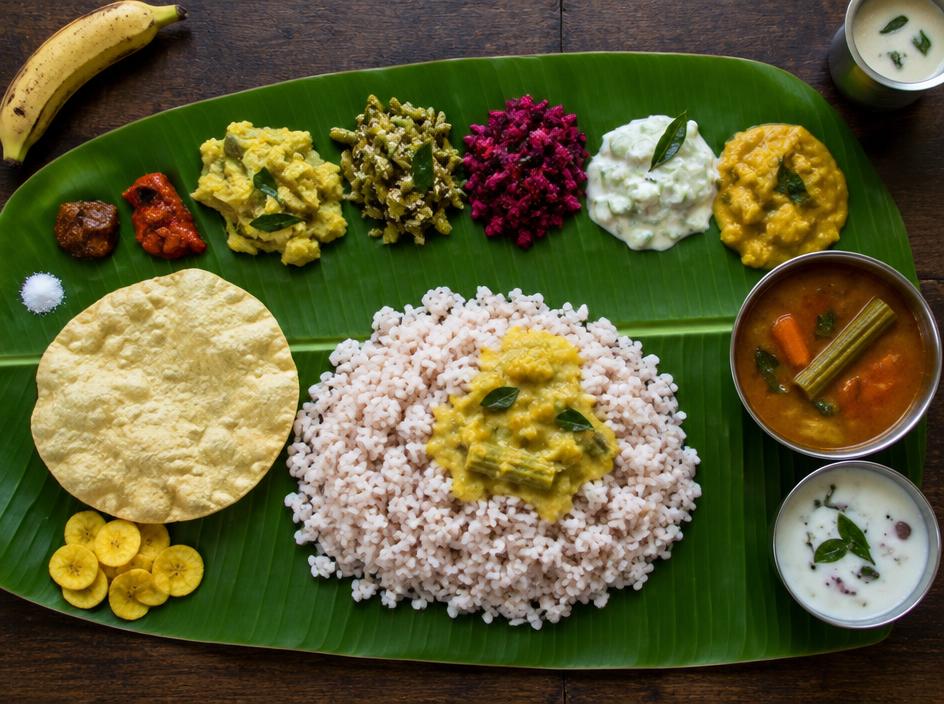
Taste Kerala through local breakfasts, banana-leaf feasts, regional kitchens and welcoming food experiences.
Published 7 November 2026. Visitor details can change; check official sources and local advisories before travel. Suggested itineraries are editorial recommendations, not confirmed bookable packages.
Food is one of the most approachable ways to understand Kerala. A breakfast table, market visit or festival meal reveals relationships between agriculture, trade, faith and family life. There is no single menu that represents every household: recipes and eating habits vary by region, community, season and personal preference.
Start with the everyday table
Rice-based breakfasts such as puttu, appam and idiyappam introduce different textures and cooking methods. Accompaniments vary, and a dish may be served differently in a home, small restaurant or hotel. Ask what is freshly prepared and locally typical instead of assuming that a long tourist menu offers the best introduction.
Understand the sadya
The sadya is a vegetarian feast traditionally served on a banana leaf. Rice, vegetable preparations, pulses, pickles and sweet payasam create a meal of contrasting flavours and textures. The number and arrangement of dishes can vary. Ask a host how the meal is served and enjoy the occasion without treating a particular dish count as a test of authenticity.
Discover regional and community variety
The Malabar region is widely associated with distinctive rice breads, festive dishes and biryani traditions. Central Kerala offers many household variations of appam, stews and fish preparations, while southern Kerala brings further differences in seasoning and meal patterns. Hindu, Muslim, Christian and other communities have contributed to the state’s culinary life; these influences overlap and continue to evolve.
Go beyond ordering a meal
A cooking class can explain roasting, grinding, tempering and the use of coconut in different forms. A guided market walk introduces seasonal produce and practical shopping knowledge. Choose experiences that compensate hosts fairly and respect the privacy of a family kitchen. Ask before recording recipes or posting photographs of participants.
Eat with your needs in mind
Tell hosts clearly about allergies, vegetarian requirements and ingredients you avoid. Coconut, dairy, nuts, seafood and other allergens may appear in unexpected preparations; a familiar dish name does not guarantee the same ingredients everywhere. Choose hygienic food handling and safe drinking water. Kerala food can be enjoyed without claims that a particular ingredient or meal will cure illness. A good food journey combines curiosity, moderation and conversation.
Explore further
Suggested related topics: Local Communities • Heritage • Fort Kochi
Official reference: Kottayam District — Culinary delights
Food & Culture
Authentic cuisine and vibrant culture
Browse festivals & events